Petra Reed · 2 November 2026
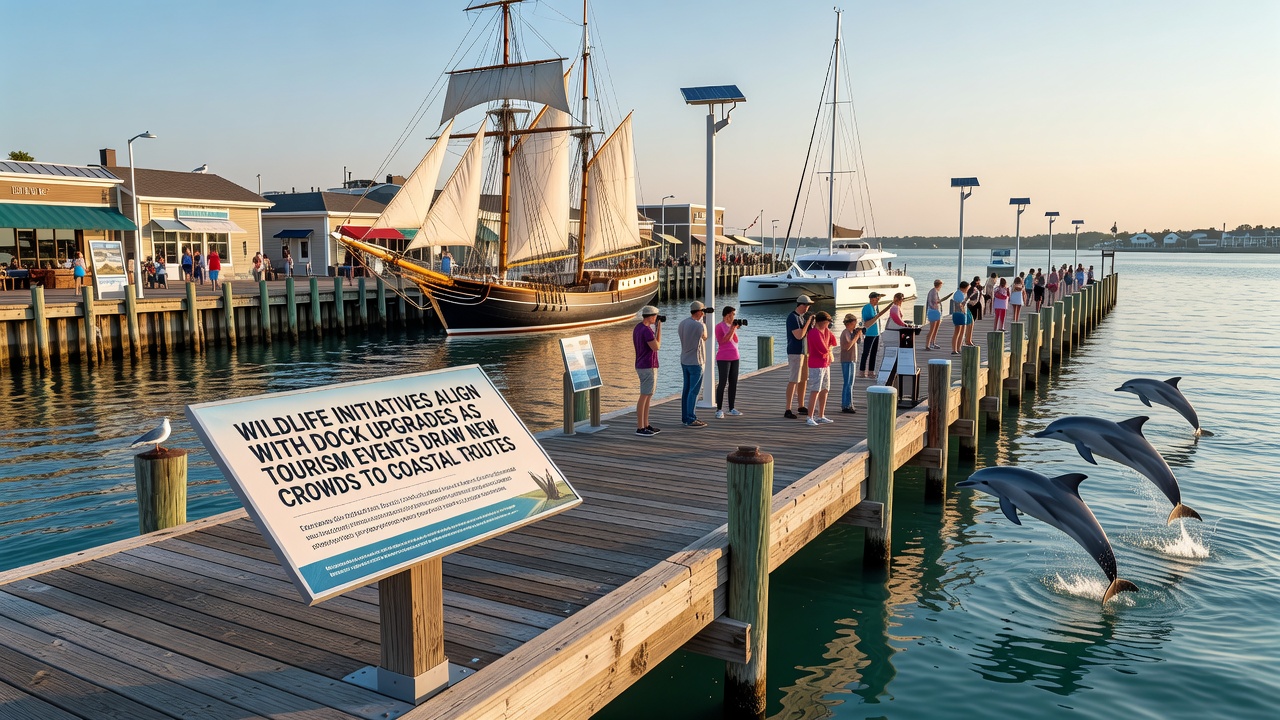
Wildlife Initiatives Align with Dock Upgrades as Tourism Events Draw New Crowds to Coastal Trade Routes
Coastal trade routes have experienced notable shifts in recent years as tourism events pull larger crowds toward waterfront zones while wildlife protection programs coordinate with infrastructure improvements at key docking points, and observers note that these developments often intersect during peak seasons when visitor numbers rise and shipping traffic adjusts accordingly.
Data from multiple monitoring programs indicates that dock upgrades now frequently include features such as elevated platforms for bird nesting areas and reduced lighting schedules to minimize disruption for marine species, while tourism organizers schedule events around these modifications to maintain access without conflicting with conservation timelines.
Tourism Growth and Coastal Trade Patterns
Events scheduled along major coastal corridors have drawn record attendance in 2025 and into 2026, with figures from port authorities showing increases in passenger vessel arrivals that coincide with seasonal migrations of fish and seabird populations, and this overlap has led planners to integrate wildlife monitoring into event logistics so that trade route operations continue without unnecessary delays.
One study released by the National Oceanic and Atmospheric Administration highlighted how visitor surges during November festivals prompted adjustments in ferry schedules and loading procedures that reduced vessel speeds near sensitive habitats, allowing both commercial and recreational traffic to proceed while lowering collision risks for local marine life.
Dock Infrastructure Updates and Conservation Integration
Upgrades at several docking facilities have incorporated materials and designs that support habitat restoration efforts, such as using permeable surfaces that allow water flow for intertidal species and installing barriers that prevent erosion around nesting sites, and these changes have occurred alongside expansions that accommodate larger vessels drawn by tourism growth.
Research conducted through partnerships with the Australian Department of Climate Change, Energy, the Environment and Water has tracked how similar dock modifications in comparable regions maintained stable populations of shorebirds even as foot traffic from events increased, demonstrating that coordinated planning can align economic activity with ecological needs.
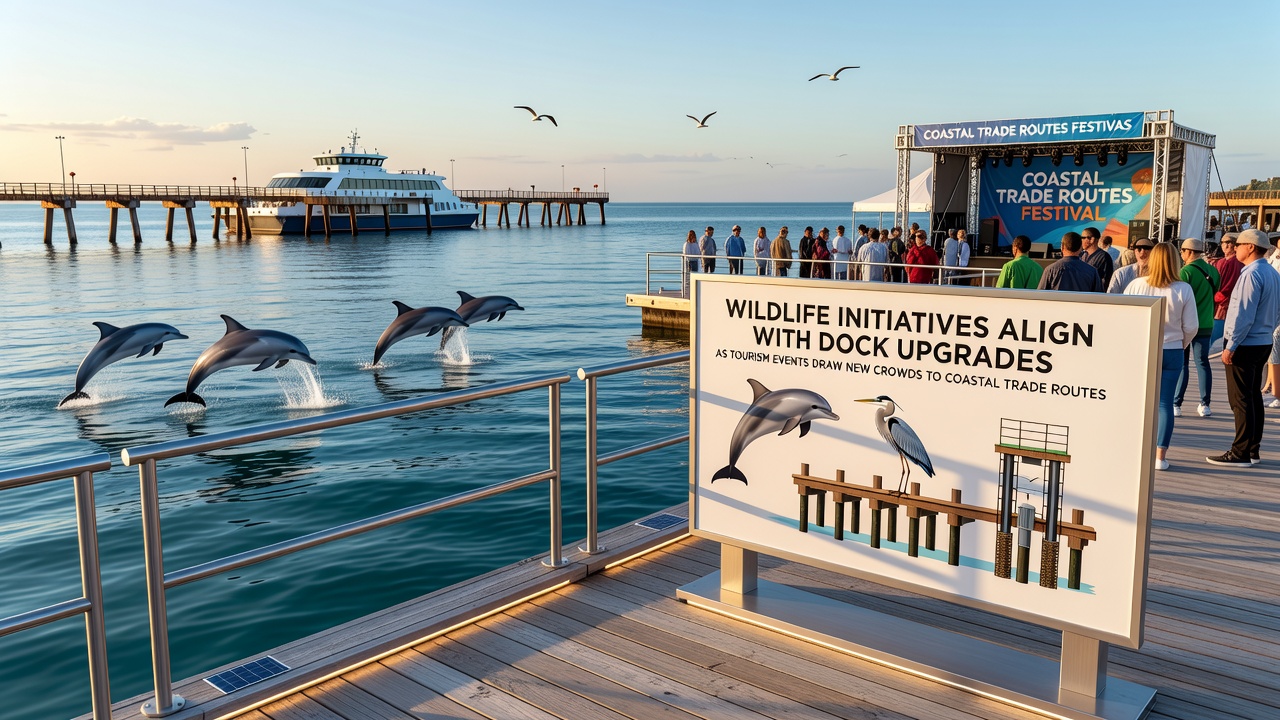
November 2026 has been identified in project timelines as a period when several upgraded berths will come online, timed to handle expected crowds from international sailing gatherings while final wildlife corridor enhancements are completed, and port operators have reported that these dual-purpose projects streamline approvals by addressing both trade efficiency and species protection requirements in single review processes.
Coordination Among Stakeholders
Trade associations and environmental groups have established joint working groups that review data on vessel movements and animal activity patterns before major events, resulting in protocols that adjust docking sequences during peak migration windows, and this approach has allowed coastal routes to sustain higher volumes without documented declines in biodiversity metrics from independent surveys.
Those involved in supply chain management for coastal fisheries have noted that the same dock improvements facilitating tourism also provide better cold storage access, which reduces waste and supports sustainable harvesting practices that align with broader wildlife goals in adjacent waters.
Monitoring and Ongoing Adjustments
Continuous data collection through sensor networks installed during upgrades provides real-time information on water quality and species presence near docking areas, enabling rapid responses if tourism-related activity appears to affect local ecosystems, and reports from these systems show consistent compliance with established thresholds throughout the most recent event cycles.
Academic teams from multiple universities have contributed analysis of trade route impacts, confirming that integrated initiatives maintain functional habitats while supporting expanded visitor access, and this evidence base continues to inform similar projects at additional coastal sites.
Conclusion
Coastal regions continue to manage the intersection of tourism-driven crowds, dock infrastructure needs, and wildlife protection through aligned initiatives that rely on shared data and scheduled adjustments, with developments slated for November 2026 representing further steps in this coordinated framework that balances multiple uses of the same waterfront spaces.