Uma Schulz · 21 September 2026
Storm Recovery Teams Join Dockside Innovators to Improve Port Logistics and Safeguard Coastal Ecosystems
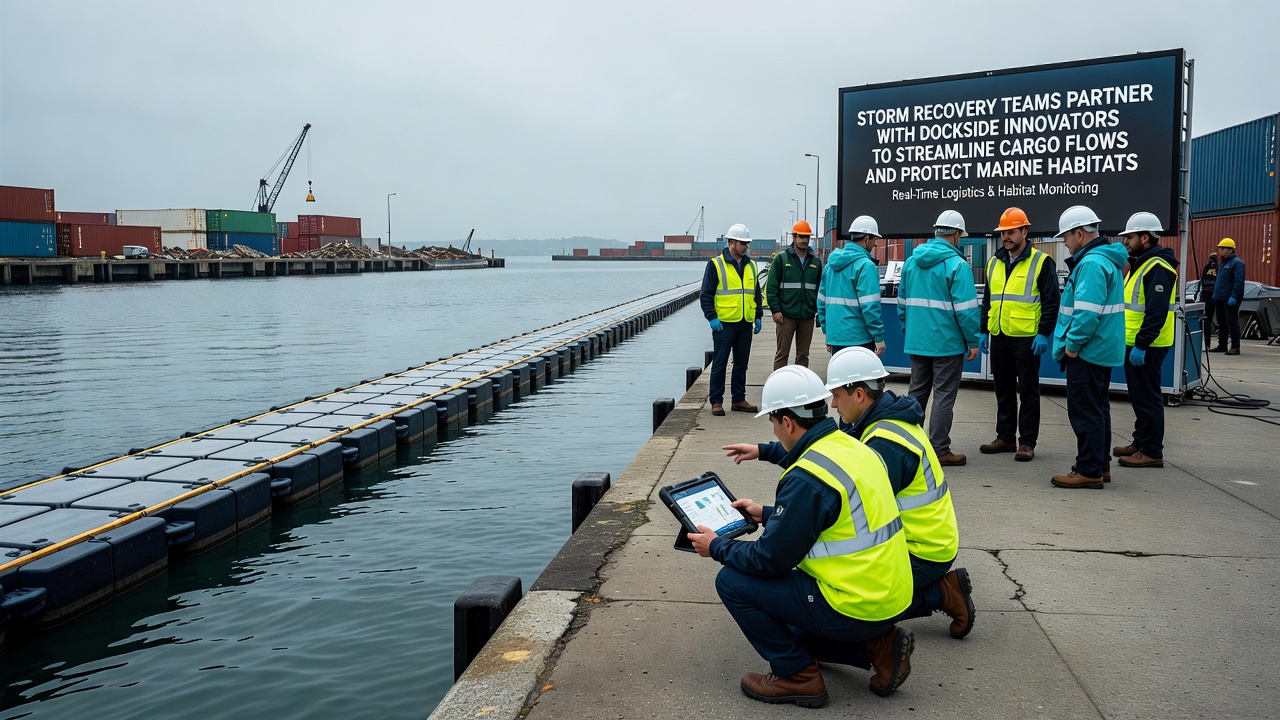
Storm recovery teams have partnered with Dockside Innovators in multiple coastal regions to address disruptions from recent weather events while maintaining steady cargo movement through affected ports. The collaboration focuses on rebuilding damaged facilities and integrating new technologies that reduce environmental impacts on nearby marine areas. Operations began scaling up in early 2026, with key milestones reported through September of that year. Recovery efforts center on ports that experienced significant damage from intense storms in late 2025. Teams assessed structural weaknesses in docks and channels, then applied targeted repairs using materials designed to withstand higher wind and wave forces. Dockside Innovators contributed specialized equipment for sediment management and real-time monitoring systems that track vessel traffic alongside water quality indicators.Background on Port Challenges and Recovery Needs
Ports along several coastlines faced delays in cargo handling after storms altered seabed contours and damaged loading areas. Data from the National Oceanic and Atmospheric Administration shows increased sediment displacement in these zones during the 2025 season. Recovery teams prioritized sites with high cargo volumes to restore operations without expanding into sensitive habitats such as seagrass beds and coral reefs.
Dockside Innovators developed modular docking systems that adjust to changing water levels while limiting disturbance to the seafloor. These systems incorporate sensors that alert operators to potential spills or excessive turbidity. Research from the Australian Institute of Marine Science indicates such technologies can reduce sediment disturbance by measurable percentages during reconstruction phases.
Streamlining Cargo Flows Through Technology
The partnership introduced automated scheduling software that coordinates vessel arrivals with available berth space. This approach cuts idle times for ships and reduces congestion in approach channels. Cargo throughput at participating terminals rose as teams implemented predictive analytics based on weather forecasts and historical traffic patterns.
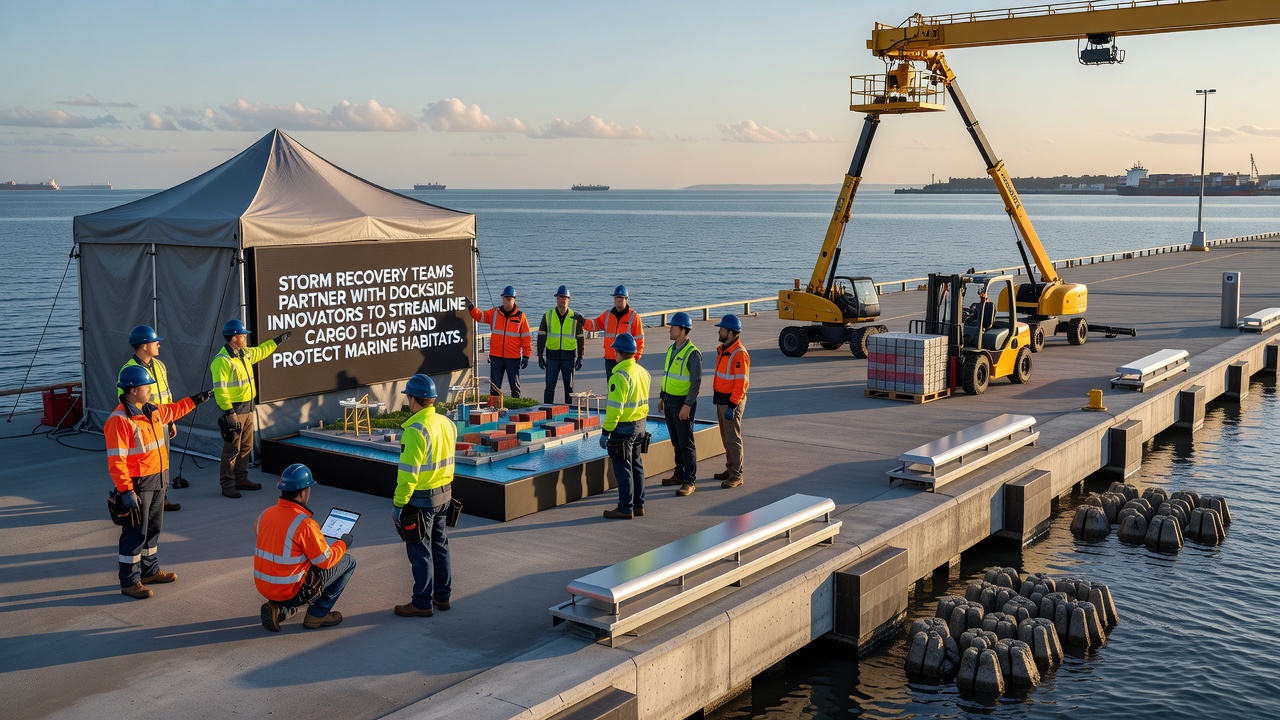
Engineers integrated floating barriers and containment booms around work zones to prevent debris from reaching protected marine areas. Observers note that these measures align with guidelines from the European Maritime Safety Agency on minimizing pollution risks during port repairs. Cargo containers moved through optimized routes that avoid shallow zones where marine life concentrates.
Protecting Marine Habitats During Operations
Environmental monitoring formed a core part of the initiative. Teams deployed underwater cameras and water sampling devices to track changes in local ecosystems throughout the recovery period. Findings from university-led studies in Canada highlight the value of continuous data collection for adjusting construction methods in real time.
Habitat restoration accompanied infrastructure work in several locations. Workers planted native seagrass and installed artificial reef modules near reconstructed breakwaters. These additions provide shelter for fish populations while supporting the stability of repaired shorelines. Figures from the partnership show consistent cargo volumes maintained alongside these conservation steps.
Training programs prepared recovery personnel on habitat protection protocols. Sessions covered spill response techniques and restrictions on equipment use near breeding grounds for marine species. International examples from New Zealand port authorities demonstrate similar training yields lower incident rates during large-scale rebuilds.
September 2026 Updates and Ongoing Developments
By September 2026, several terminals reported full restoration of pre-storm cargo capacity. The partnership expanded to additional sites where preliminary assessments identified similar risks. Dockside Innovators refined their sensor arrays based on field performance data collected over the preceding months.
Stakeholders reviewed progress through joint reports that combined logistics metrics with ecological indicators. These reviews guided adjustments to project timelines and resource allocation. Continued monitoring ensures that cargo efficiency gains do not come at the expense of surrounding marine environments.
Conclusion
The alliance between storm recovery teams and Dockside Innovators demonstrates coordinated approaches to post-storm port management. Through integrated technology and monitoring, the effort supports both operational continuity and habitat preservation across affected regions. Ongoing data collection will inform future adaptations as conditions evolve.