Zoe Flores · 16 November 2026
Rising Costs and Water Quality Data Drive Fishermen and Planners to Reconsider Harbor Growth Plans
Data from recent monitoring programs show that operational expenses for fishing fleets have climbed steadily since 2023, driven by fuel prices, equipment maintenance, and regulatory compliance requirements, while water quality assessments reveal elevated nutrient levels and sediment loads in several key bays along the Pacific coast.
Tracking Expense Increases Across Fleets
Fuel costs alone accounted for 35 percent of total operating budgets in 2025 according to industry reports compiled by regional port authorities, and maintenance expenses rose another 12 percent after new emissions standards took effect, forcing many operators to delay vessel upgrades or reduce trip frequency during peak seasons. Those who've studied fleet economics note that insurance premiums have also increased by 18 percent over the same period because of weather-related damage claims, creating a combined pressure that makes larger-scale expansion projects harder to justify without revised financial models.
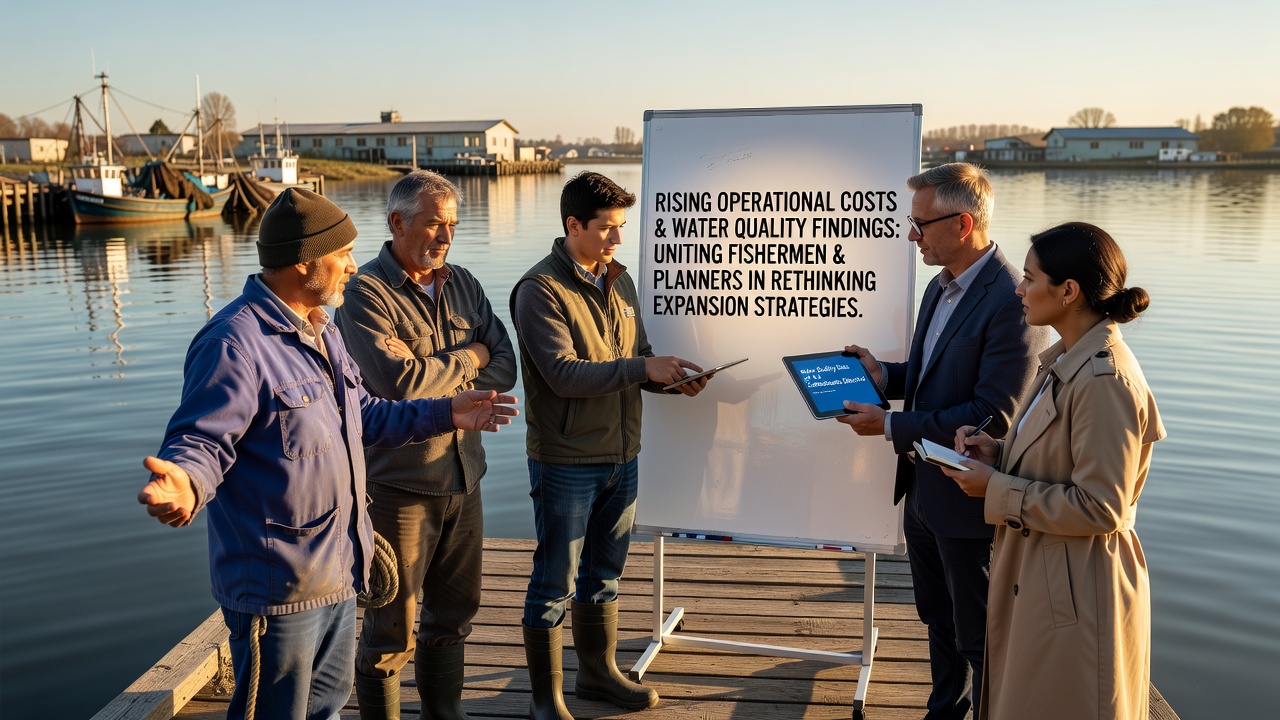
Planners at multiple coastal municipalities have responded by scheduling joint sessions with fishing associations to review capital budgets originally allocated for dock extensions and channel widening, and figures released in early November 2026 indicate that projected returns on those investments have dropped below internal thresholds once updated cost projections are applied. Observers note that smaller operators in particular have begun pooling resources for shared cold-storage facilities rather than pursuing individual expansions, while larger commercial groups explore leasing arrangements that spread risk across multiple partners.
Water Quality Measurements Shape New Priorities
Independent testing conducted by state environmental agencies documented nitrate concentrations 22 percent above historical averages in samples collected between March and September 2026, with corresponding drops in dissolved oxygen levels during summer months that correlate with reduced catch rates for certain groundfish species. Researchers from regional universities have linked these patterns to agricultural runoff and stormwater discharge points near existing harbor infrastructure, prompting calls for updated environmental impact statements before any new construction permits advance.
One study released by the National Oceanic and Atmospheric Administration in October 2026 found that sediment resuspension from proposed dredging activities could further stress already vulnerable shellfish beds, and similar findings from Canadian fisheries scientists working in comparable Pacific inlets reinforce the need for phased approaches that incorporate real-time monitoring rather than full-scale buildouts. Those who've reviewed the combined datasets point out that mitigation measures such as vegetated buffer zones and improved filtration systems now appear in revised planning documents submitted by three separate port districts.
Joint Working Groups Form to Adjust Timelines
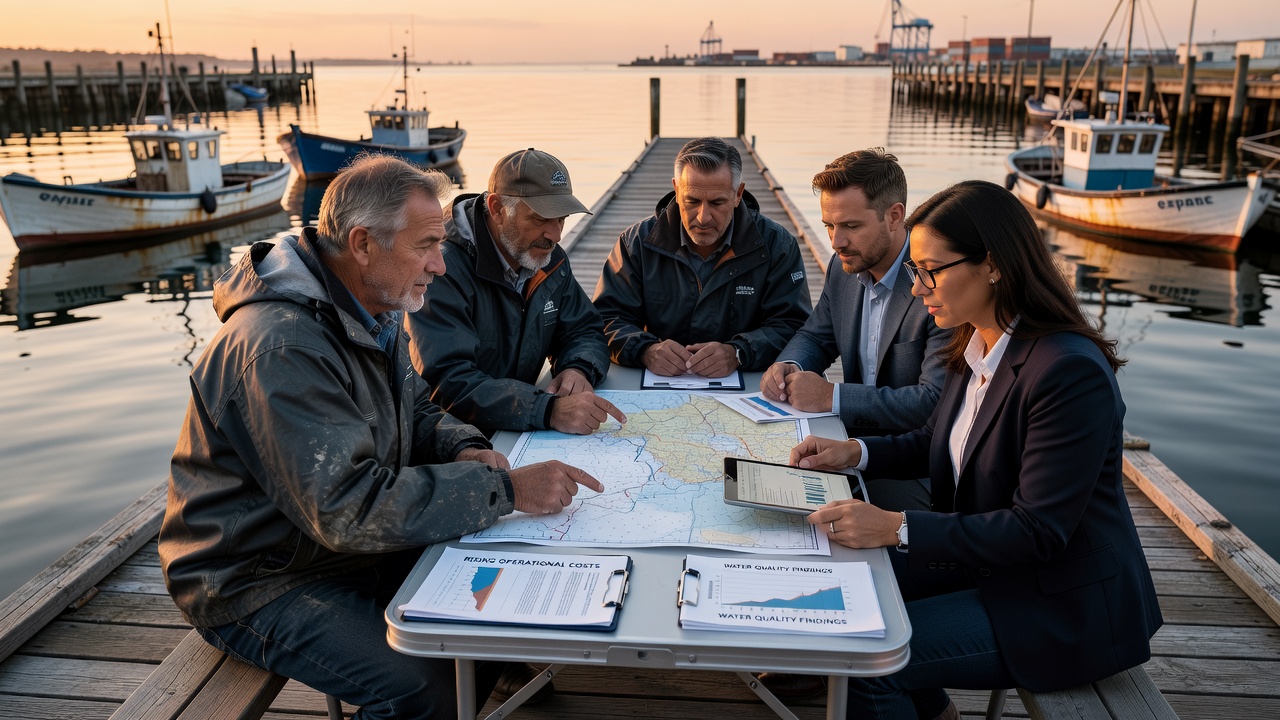
Meetings held throughout the fall of 2026 brought together representatives from fishing cooperatives, municipal planning departments, and state regulatory offices to examine alternative sequencing for expansion work, and preliminary agreements reached in November 2026 call for pilot projects focused on water treatment upgrades before any additional berthing capacity is added. Data shared during these sessions showed that targeted improvements in stormwater management could reduce pollutant loads by up to 30 percent within two years, potentially satisfying both cost-control and environmental objectives without requiring immediate large capital outlays.
Industry organizations such as the Pacific Coast Fishermen's Association have contributed operational data to these discussions, while academic partners from institutions in California and British Columbia supplied modeling tools that project outcomes under different climate scenarios through 2035. Planners have incorporated these models into updated requests for proposals, and early drafts emphasize modular designs that allow facilities to scale only after water quality benchmarks are met rather than committing to fixed expansion footprints upfront.
Conclusion
Coordinated efforts between fishing communities and planning agencies continue to evolve as new datasets become available, and the adjustments made in late 2026 reflect a shift toward incremental strategies that balance economic viability with documented environmental conditions. Future reports scheduled for release in 2027 are expected to track whether these revised approaches deliver measurable improvements in both operational efficiency and bay health indicators across participating harbors.