Uma Schulz · 19 October 2026
Record Seasonal Yields Prompt Coastal Fishing Operations to Innovate Supply Chains
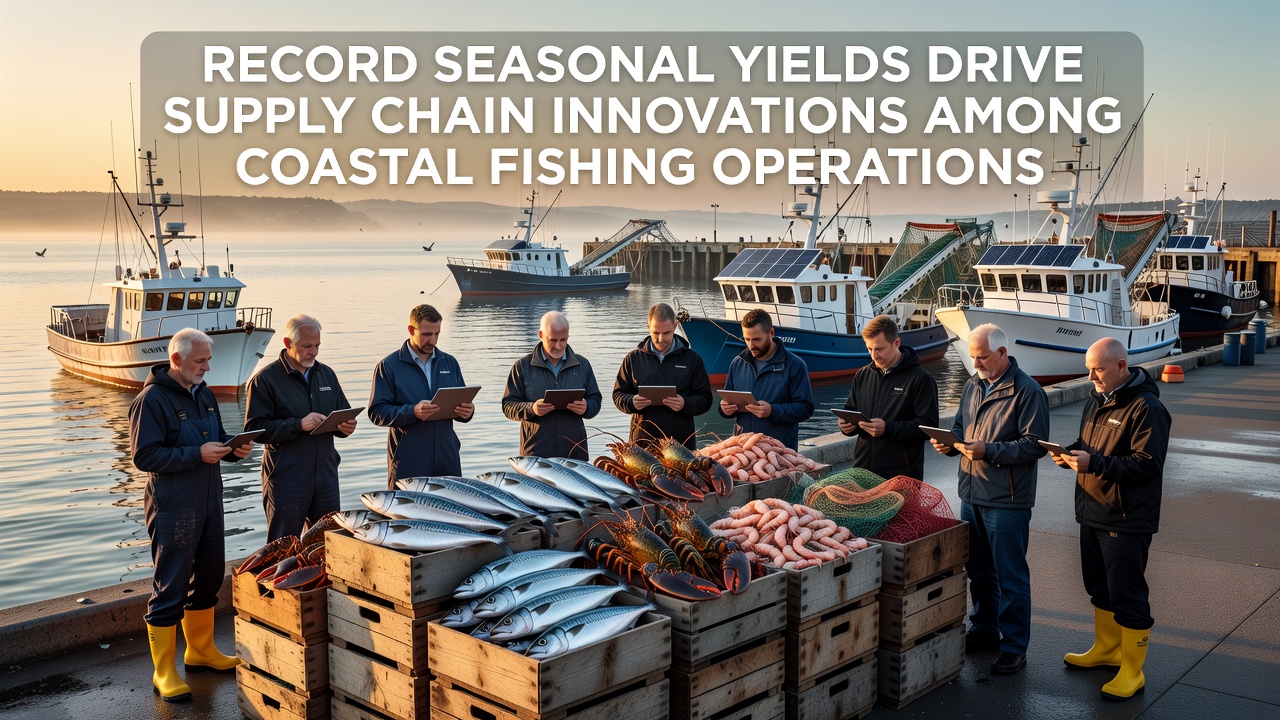
Coastal fishing operations across multiple regions have reported record seasonal yields in recent cycles, and these increases have pushed operators to develop new supply chain methods that handle larger volumes while maintaining product quality. Data from monitoring agencies shows elevated harvest levels for key species such as salmon, cod, and shellfish, which has required adjustments in processing, storage, and distribution networks.
Fishing fleets operating along North American and European coastlines recorded above-average catches during the 2025-2026 seasons, according to figures compiled by national fisheries services. These volumes exceeded previous benchmarks by notable margins, and operators responded by integrating technologies that streamline logistics from dock to market. Observers note that traditional cold storage methods proved insufficient for sustained high throughput, which led companies to explore modular processing units and real-time tracking systems.
Harvest Data and Regional Patterns
Figures released in October 2026 by the National Oceanic and Atmospheric Administration indicate that several Pacific and Atlantic ports processed 15 to 20 percent more volume than the prior five-year average. Similar patterns emerged in Canadian waters where Department of Fisheries and Oceans reports documented parallel surges in groundfish and crustacean landings. European operators along the North Sea observed comparable trends, with data from the European Commission's Directorate-General for Maritime Affairs and Fisheries confirming elevated yields for herring and mackerel stocks.
These patterns reflect broader environmental and management factors that include improved stock assessments and favorable ocean conditions in targeted zones. Coastal facilities responded by expanding vessel coordination protocols, and many adopted digital platforms that synchronize unloading schedules with onshore refrigeration capacity. Such coordination reduced dockside bottlenecks that previously caused spoilage during peak periods.
Technological Adaptations in Processing and Logistics
Operators introduced automated sorting equipment that classifies catches by size and species within minutes of unloading, and this equipment connects directly to inventory management software. Several facilities installed sensor networks that monitor temperature and humidity across transport containers, which allows adjustments during long-haul routes. Research from academic institutions such as the University of British Columbia's Institute for the Oceans and Fisheries has examined how these sensor arrays improve shelf-life outcomes for perishable seafood products.
Supply chain teams also incorporated blockchain-based traceability tools that record each transfer point from vessel to retailer. One operation in the Pacific Northwest implemented such a system in early 2026, and internal records show faster verification times for export compliance. Another example involves a Scandinavian cooperative that paired predictive analytics with weather data to optimize delivery windows, reducing transit delays during variable autumn conditions.
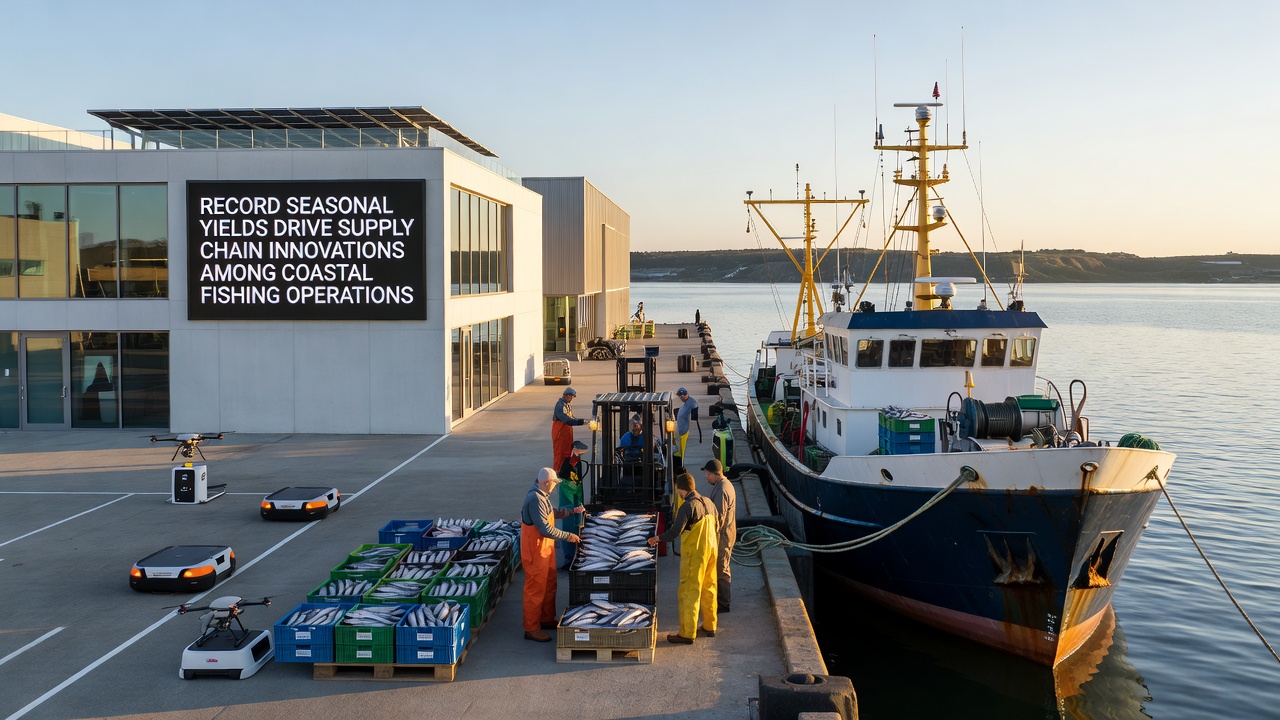
These innovations extend beyond hardware to include workforce training programs that teach staff to manage integrated software platforms. Training modules developed in partnership with industry groups emphasize data interpretation skills, and participants report quicker identification of supply disruptions. Port authorities in multiple jurisdictions have supported these efforts by updating infrastructure grants that prioritize technology upgrades over traditional expansion projects.
Economic and Environmental Considerations
Market analyses indicate that higher yields combined with efficient supply chains have stabilized wholesale prices in several categories despite increased supply. Retailers receive fresher product on average because shorter handling times preserve quality attributes that affect consumer demand. At teh same time, operators have adopted selective harvesting techniques that align with quota management frameworks, which helps maintain stock sustainability even under elevated extraction rates.
Environmental monitoring groups track bycatch levels and habitat impacts associated with intensified operations, and data collection efforts now integrate with the same digital platforms used for logistics. This integration allows real-time reporting that satisfies regulatory requirements while informing adaptive management decisions. Australian fisheries authorities, for instance, have piloted similar combined reporting systems in their southern waters, and results show improved compliance rates without added administrative burden.
Future Outlook for Coastal Networks
Industry observers expect continued investment in automated handling and predictive modeling as harvest volumes remain elevated into late 2026. Collaborative projects between vessel owners and technology providers focus on scaling solutions that smaller operations can adopt without major capital outlays. Pilot programs currently underway test shared mobile processing units that travel between ports during peak seasons, which distributes innovation benefits across a wider range of participants.
Conclusion
Record seasonal yields have accelerated the adoption of integrated supply chain technologies among coastal fishing operations, and these changes address both volume handling and quality preservation needs. Regional data sources document the scale of recent harvests while highlighting the practical adjustments made by operators. Continued monitoring through established agencies will track how these innovations perform under varying environmental and market conditions.