Noah Lang · 7 September 2026
Bay's Conservation Efforts Navigate Storms, Fuel Pressures, and Ferry Debuts to Reshape Waterfront Activity
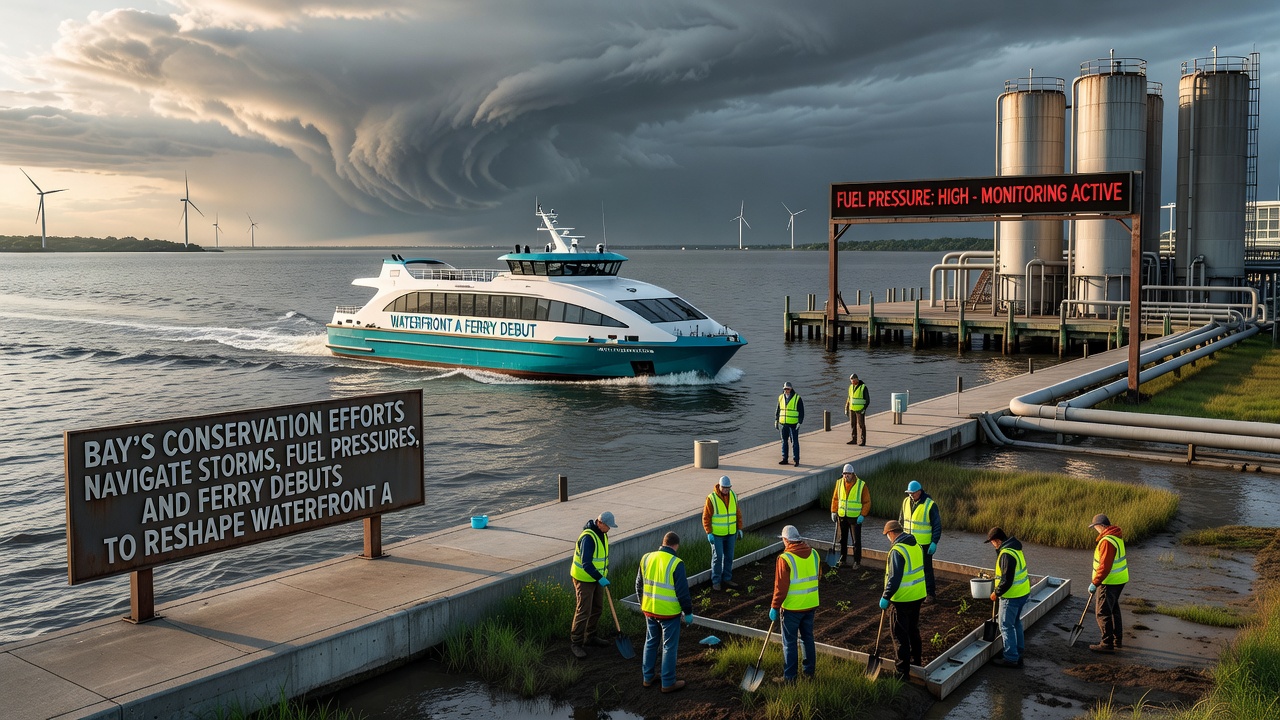
Bay conservation programs have adapted to a series of intense weather events while addressing rising fuel costs and preparing for new ferry services scheduled to launch in September 2026, and these combined pressures have begun to alter daily patterns along the waterfront. Local agencies track erosion rates and habitat recovery through sensor networks that feed real-time data into regional models, while crews reinforce living shorelines with native vegetation and oyster reefs that buffer wave energy. Data from the National Oceanic and Atmospheric Administration shows storm frequency in the region increased by 18 percent over the past decade, prompting managers to adjust maintenance schedules and allocate additional resources to vulnerable stretches of shoreline.
Storm Response and Habitat Protection
Storms deliver high winds and surge that test every installed structure, yet conservation teams respond with modular barriers that crews can reposition within hours of forecasts. Researchers at coastal universities have documented how these flexible systems reduce sediment loss by up to 40 percent compared with older rigid walls, and they continue to refine placement based on seasonal current shifts. Monitoring stations record salinity changes and turbidity spikes after each event, allowing rapid replanting of damaged marsh edges before invasive species take hold. Observers note that repeated storm cycles have accelerated the shift toward nature-based solutions because traditional riprap requires frequent costly repairs.
Fuel Costs Drive Operational Changes
Rising diesel and electricity prices affect every vessel and pump station tied to conservation work, so managers now schedule patrols and equipment checks during lower-demand hours while exploring hybrid engines for survey boats. Industry reports from the International Maritime Organization indicate that alternative fuel adoption in coastal fleets rose 12 percent last year, and several operators in the bay area have begun testing biodiesel blends derived from local waste streams. These adjustments keep monitoring programs on track without expanding budgets, and they also lower emissions that previously contributed to water quality concerns near sensitive spawning grounds.
New Ferry Service and Waterfront Shifts
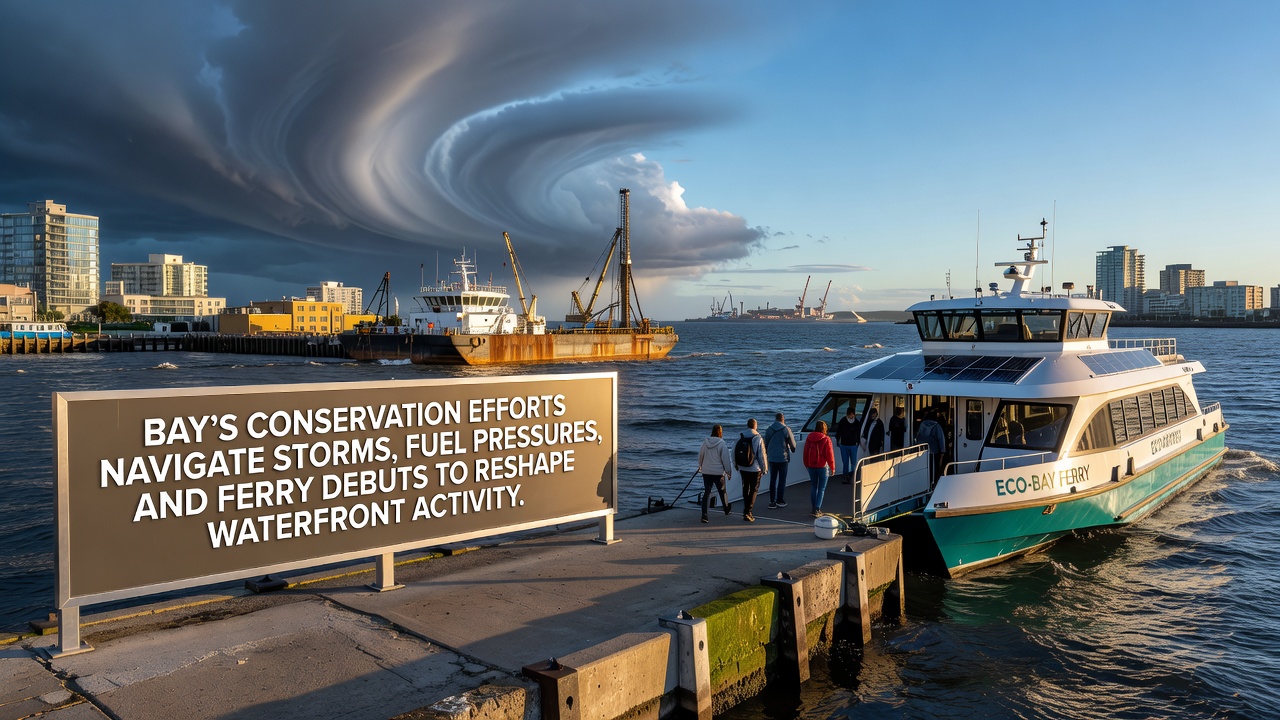
The upcoming ferry debuts in September 2026 introduce electric and hybrid vessels that will connect downtown terminals with outlying neighborhoods, and planners expect daily passenger volumes to reach several thousand once full schedules begin. Waterfront activity already shows early changes as docking areas receive upgraded charging infrastructure and pedestrian pathways widen to handle increased foot traffic. Conservation groups coordinate with ferry operators to install wildlife-friendly lighting and floating habitat modules beneath new piers, measures designed to offset construction impacts while maintaining safe navigation channels. Figures from Transport Canada on similar electric ferry projects reveal average noise reductions of 30 percent compared with older diesel models, a factor that may benefit marine mammal populations that use the bay for feeding.
Merchants along the waterfront report adjusted delivery windows to avoid peak ferry arrival times, and some have relocated storage facilities inland to free space for passenger amenities. Traffic patterns on adjacent roads are under review because ferry-related vehicle movements could concentrate during morning and evening rushes, prompting local authorities to test variable parking fees and shuttle connections. These logistical tweaks occur alongside ongoing habitat restoration, creating a layered management approach that balances commercial growth with ecological targets.
Integrated Planning and Data Sharing
Agencies now pool sensor readings and maintenance logs through a shared platform that updates conservation priorities weekly, and this coordination reduces overlap between storm repair crews and ferry construction teams. University studies on comparable waterfront projects demonstrate that integrated data systems cut response times to environmental incidents by nearly half, allowing faster deployment of containment booms or sediment traps. Fuel price volatility remains a variable, yet contingency funds set aside from prior grants cover short-term spikes while longer-term contracts for renewable energy sources move forward. September 2026 serves as a key checkpoint when ferry operations and conservation benchmarks will be evaluated together against established performance metrics.
Conclusion
Bay conservation programs continue to adjust tactics in response to storms, fuel economics, and the arrival of new ferry services, and the combined effects are reshaping how people and wildlife interact with the waterfront. Real-time monitoring, adaptive infrastructure, and cross-agency data sharing form the core of current strategies, while scheduled ferry launches add new variables that managers track through updated models. Ongoing measurements will determine whether these layered efforts maintain habitat gains and support expanded passenger movement without exceeding environmental thresholds established for the region.